Action produces information
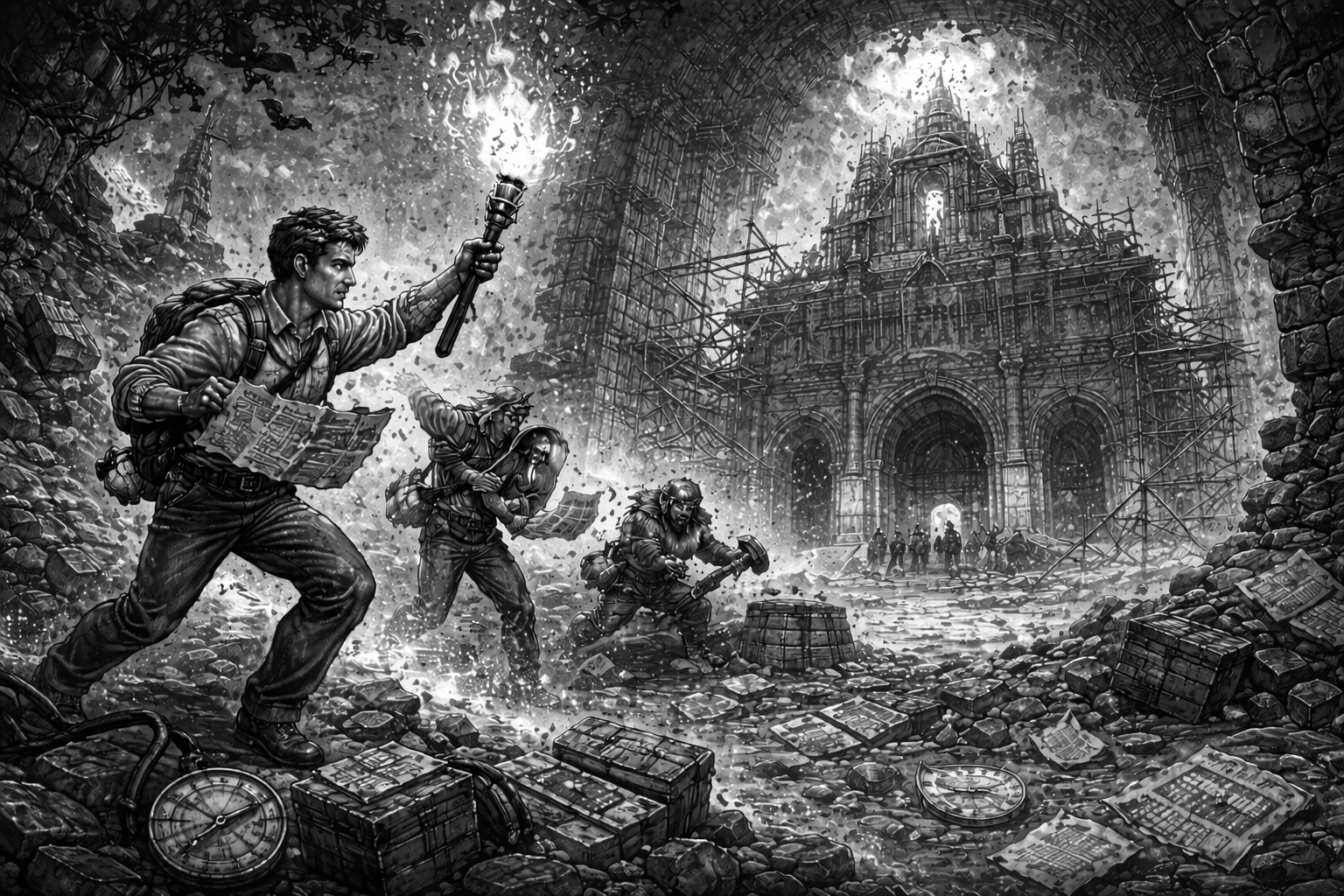
In fast-moving teams and organizations, speed is often more important than perfection. A bias towards action is key: a good plan, violently executed now, is better than a perfect plan that takes too long to materialize. Waiting for perfect conditions or overanalyzing situations often leads to paralysis. The faster you act, the quicker you gather information, whether that action succeeds or fails.
Most decisions are not irreversible. Understanding the difference between Type 1 (irreversible) and Type 2 (reversible) decisions is critical. If you’re not reverting 10% of your decisions, you’re possibly not taking enough risks. Type 2 decisions allow you to move quickly, adjust course as needed, and use the outcomes to learn and inform your next steps. This adaptability is essential to navigating uncertainty and staying ahead.
In today’s environment, don’t build cathedrals no one will appreciate. Gone are the days of the “grand reveal” where teams spend excessive time and resources building something perfect in isolation. Instead, we live in the era of the economic engineer, where teams are rewarded for being frugally efficient and for delivering value iteratively. Focus on delivering value incrementally rather than chasing an unattainable ideal.
Lastly, when moving quickly, it’s important to foster decisive yet reasoned disagreement. Use V1 language to unblock group decision-making when stuck. V1 stands for Version 1, which means acknowledging that this decision or course of action is a first step, and it will be refined in future iterations. By framing disagreements around V1 thinking, teams can move forward without getting bogged down in analysis paralysis.